
Why Hot, Rainy Weather Can Impact Your Indoor Air Quality (And How a UV Light Can Help)
If you’ve lived in South Carolina for any length of time, you know what summer brings: high temperatures, frequent afternoon thunderstorms, and plenty of humidity. While the rain may cool things off for a few minutes, it also creates the perfect conditions for excess moisture—and that can affect more than just the weather outside.
Your HVAC system works hard during these hot, humid months, and understanding how humidity affects your home can help you protect both your comfort and your indoor air quality.
Why Does Rain Make Humidity Worse?
Humidity is simply the amount of moisture in the air.
After heavy rainfall, water evaporates from the ground, trees, roofs, and pavement. When temperatures climb into the 90s, that moisture quickly returns to the air, causing humidity levels to rise.
Your air conditioner has two important jobs:
- Cool your home
- Remove excess moisture from the air
When outdoor humidity is extremely high, your system has to work even harder to keep your home comfortable.
What Happens Inside Your HVAC System?
As your air conditioner removes moisture from the air, condensation naturally forms on the indoor evaporator coil.
Normally, this moisture drains away through the condensate drain. However, because the inside of your air handler is often:
- Cool
- Dark
- Damp
…it can become an environment where mold, mildew, bacteria, and other microorganisms may grow over time.
These contaminants can spread throughout your home every time your HVAC system runs.
Signs Your HVAC System May Have Mold or Biological Growth
You might notice:
- A musty smell when the system starts
- Increased allergy symptoms indoors
- Poor indoor air quality
- Excess humidity inside your home
- Visible buildup around the indoor unit
Not every musty smell means mold is present, but it’s worth having your system inspected if you notice these signs.
How UV Lights Help
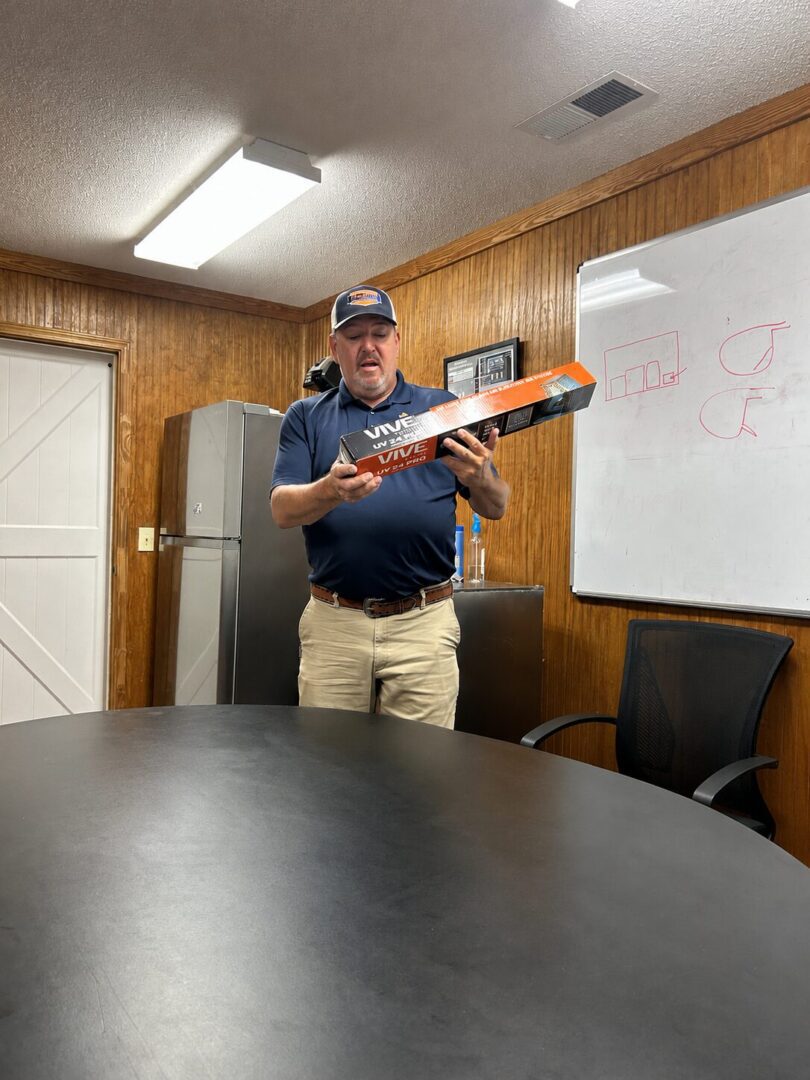
A UV light is installed inside your HVAC system near the evaporator coil.
Its job isn’t to clean your home’s air directly—it’s to help keep critical components inside the system cleaner by reducing the growth of mold, mildew, bacteria, and other microorganisms on surfaces where moisture collects.
Benefits of installing a UV light may include:
✅ Helps reduce mold and microbial growth on the evaporator coil
✅ Keeps the coil cleaner, allowing for better airflow
✅ Supports healthier indoor air quality
✅ Helps reduce musty odors coming from the system
✅ Can improve system efficiency by keeping components cleaner
Think of it as an extra layer of protection for one of the dampest areas inside your HVAC system.
Is a UV Light Right for Every Home?
Not necessarily.
Homes that may benefit the most include:
- Families with allergy or asthma concerns
- Homes with pets
- Homes in humid climates like South Carolina
- Older systems that struggle with moisture
- Homes where musty odors are common
A professional inspection can determine whether a UV light would be a worthwhile addition to your HVAC system.
Prevention Is Always Better Than Cleanup
A UV light is only one part of maintaining a healthy HVAC system.
We also recommend:
- Changing your air filter regularly
- Scheduling annual maintenance
- Keeping the condensate drain clean
- Addressing humidity problems before they lead to mold growth
Routine maintenance helps your system operate efficiently while reducing the chance of moisture-related issues.
We’re Here to Help
At Palmetto Air Conditioning, we believe education is just as important as service. Our technicians receive ongoing training on the latest HVAC technologies so we can recommend solutions that truly benefit our customers.
If you’ve noticed musty odors, high indoor humidity, or you’re curious whether a UV light could benefit your home, we’d be happy to inspect your system and answer your questions.
Palmetto Air Conditioning
📞 803-358-9673
🌐 www.palmettoairconditioning.com
